


Security monitoring has traditionally depended on motion sensors and continuous camera recording. Conventional systems could only detect basic movement and required security personnel to constantly watch video feeds. As a result, many incidents were noticed only after a break-in had already occurred.
The major limitation of older intrusion detection technology was its dependence on human attention. Guards had to monitor multiple screens, and simple motion detection often generated frequent false alarms caused by shadows, animals, lighting changes, or environmental movement.
Artificial intelligence has significantly improved how intrusion detection works. Modern systems no longer act as passive alarms. Instead, they actively analyze video data, understand activity, and identify suspicious behavior automatically.
AI-powered intrusion detection converts surveillance cameras into intelligent monitoring devices. The system recognizes real threats, alerts security teams immediately, and helps prevent incidents before property damage or theft occurs.
Intelligent Human Detection
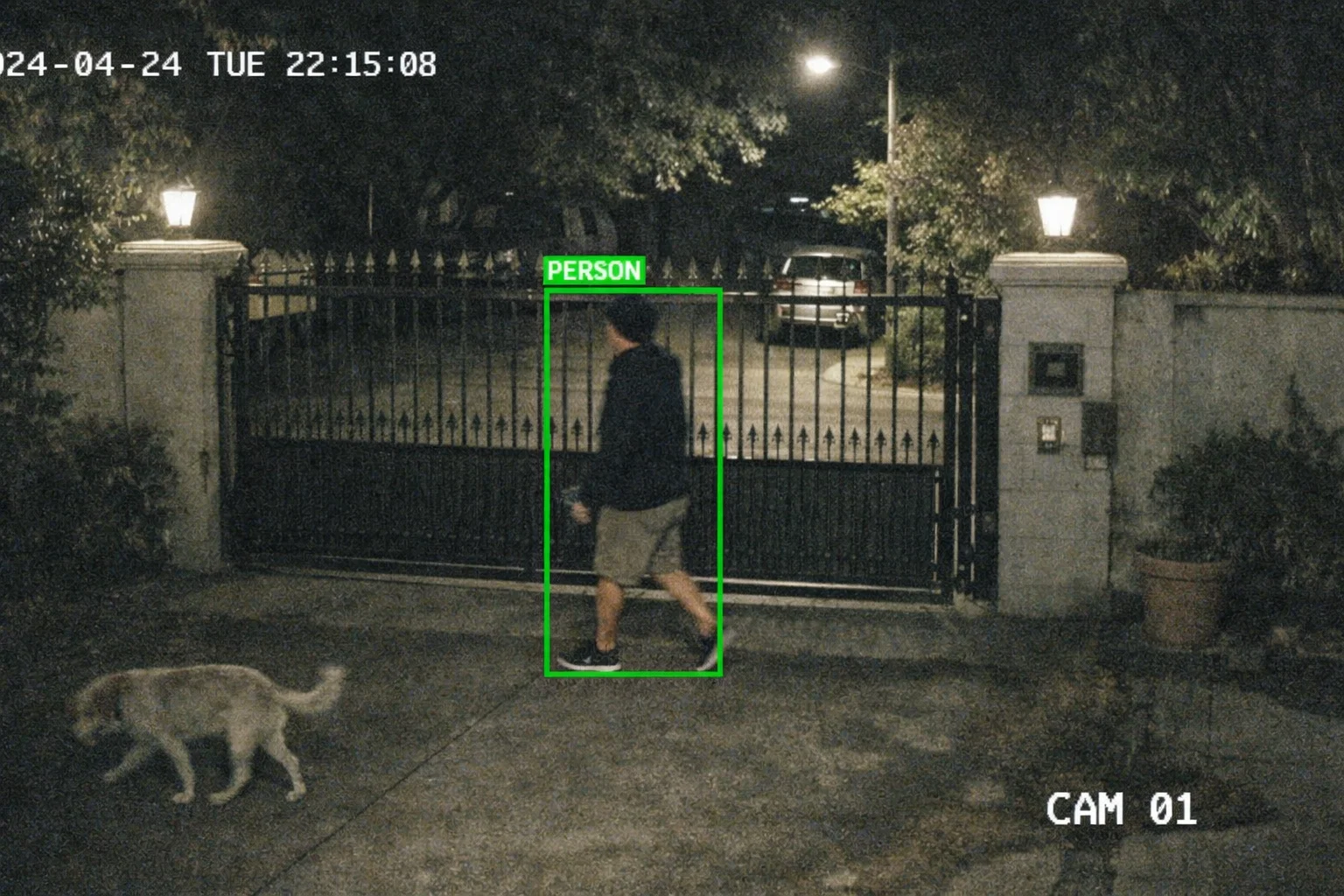
Traditional motion sensors trigger alerts for any movement. Wind, pets, or passing vehicles could activate alarms, making systems unreliable.
AI-enabled surveillance cameras identify the difference between a human, an animal, and environmental movement. Using computer vision algorithms, the system focuses only on relevant activity.
When a person enters a restricted area, the system recognizes human presence and sends an alert, while ignoring harmless movement. This greatly improves monitoring accuracy.
Behavioral Activity Analysis
AI intrusion systems not only detect presence but also analyze behavior patterns. The software tracks movement direction, entry attempts, and time spent in sensitive areas.
Suspicious actions such as loitering near entrances, repeated door access attempts, or unusual movement paths are recognized as potential threats. Security teams receive warnings before an incident occurs.
This shifts security from reactive monitoring to preventive protection.
Real-Time Alert Notifications
Modern AI systems immediately notify security personnel when suspicious activity is detected. Alerts can be delivered to mobile phones, control rooms, or security applications.
The alert often includes a snapshot image and location information, allowing teams to understand the situation instantly and respond quickly.
Rapid notification significantly reduces response time and helps prevent intrusions.
Reduced False Alarms
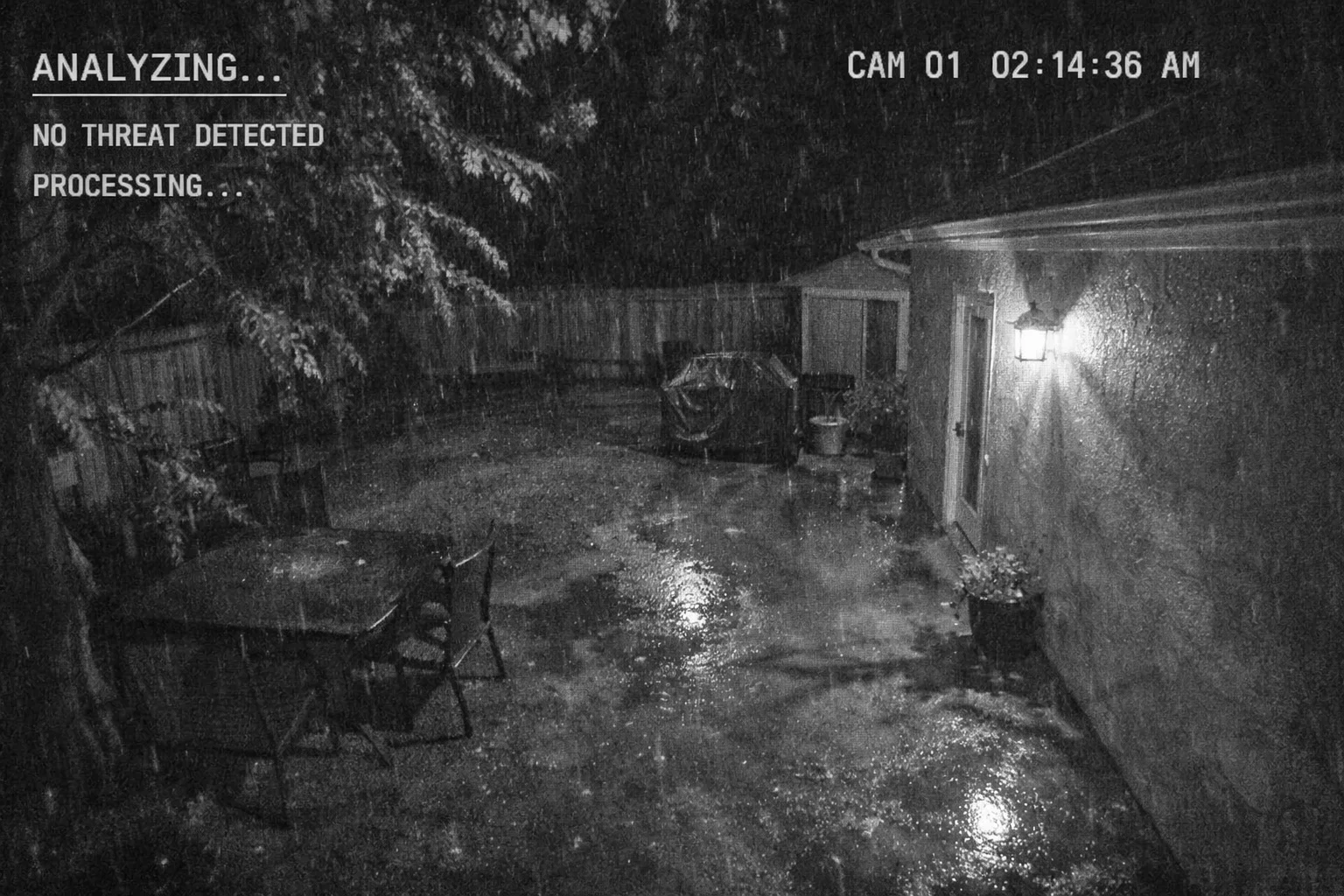
One of the biggest problems in traditional security systems is frequent false alerts. Environmental changes like shadows, rain, or lighting variations often trigger alarms unnecessarily.
AI analyzes multiple video frames and confirms whether the detected movement matches human behavior. If not, the system ignores the activity.
This improves reliability and prevents security teams from responding to non-threatening events.
Edge AI & Automated Monitoring
Modern intrusion detection cameras process video directly inside the device using embedded processors. Instead of sending continuous video to a server, the camera analyzes footage locally.
Only alerts and important information are transmitted. This reduces network load and allows monitoring even if internet connectivity is limited.
Edge processing enables faster detection and continuous security monitoring.
Why AI-Powered Intrusion Detection is Important
- Accurate human detection
- Immediate notifications
- Preventive security monitoring
- Fewer false alarms
- Faster response time
- Reliable 24/7 operation