NVR 64 / 128 CHANNEL PLATFORM

NVR Pluse Built for Multi-Camera Environments

Custom-engineered NVR systems designed for high-density camera deployments, continuous recording, and long-term reliability.

NVR 64 and 128 channel system architecture diagram
NVR SYSTEM ARCHITECTURE

How We Engineer 64 / 128 Channel NVR Platforms

Our 64- and 128-channel NVR systems are engineered for high-density camera deployments where sustained throughput, fault tolerance, and long-term stability are critical. The architecture is designed to handle parallel video ingest, continuous recording, and multi-user playback without compromising reliability.

High-density multi-camera ingest pipelines
Parallel video processing and storage workflows
Resilient architecture for 24/7 continuous operation
Scalable design for enterprise and city-scale deployments

Recording Workflow of the NVR Pluse System

Video recording operates as a structured flow from camera capture to monitoring access, ensuring stable recording and retrieval.

Camera Input

Continuous video streams received from multiple surveillance cameras.

Stream Processing

Incoming streams buffered and stabilized for consistent recording operation.

Storage Recording

Video footage written and organized into long-duration storage archives.

Monitoring & Playback

Operators access live viewing and recorded playback simultaneously anytime.

Recording System Deployment Scenarios

Smart Cities

Smart Cities

Centralized monitoring across roads, intersections, and public spaces. Enables real-time incident response, traffic analysis, and long-term video investigation from a unified command center.

Manufacturing

Manufacturing

Continuous monitoring of production lines, worker safety zones, and restricted areas. Supports operational visibility and quick incident review without interrupting production workflows.

Warehouses

Warehouses & Logistics

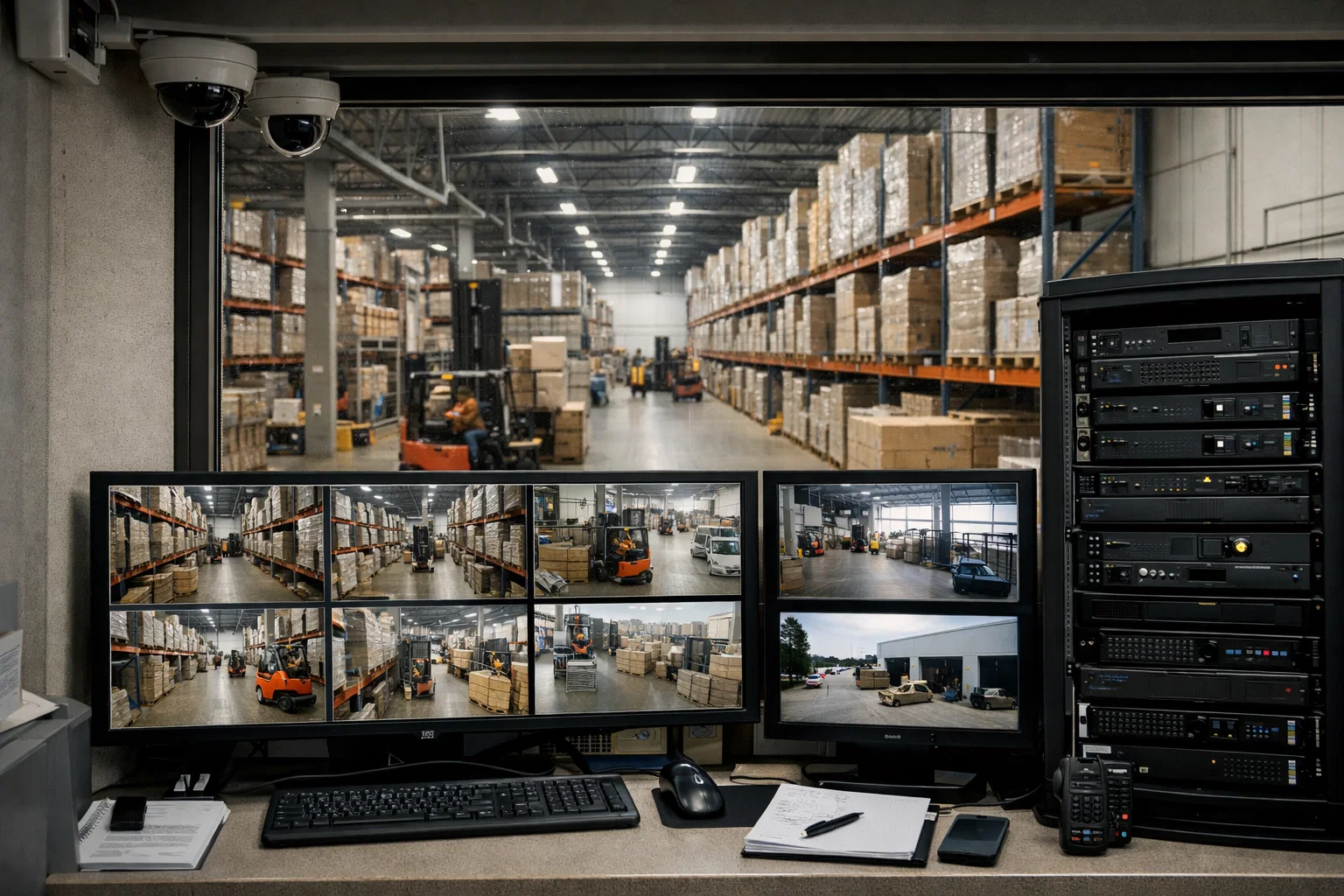
High-activity environments with multiple loading bays and storage aisles. Handles sustained camera ingest while allowing multiple operators to review footage simultaneously.

Airports

Airports & Transportation Hubs

Mission-critical surveillance for terminals, entry gates, and passenger movement areas. Ensures continuous recording and fast search during investigations and security events.

Security & Reliability

Built as critical surveillance infrastructure, the system ensures secure data handling, controlled access, and uninterrupted operation even under heavy or failure conditions.

Secure Data Handling

All video streams and recordings are securely stored and managed to prevent unauthorized access or data corruption.

Access Control

Role-based permissions ensure that only authorized users can view, manage, export, or configure the surveillance system.

Fault Tolerance

Redundant handling ensures recording continues even if hardware components or processes encounter failures.

System Resilience

Continuous health monitoring keeps recording active and automatically recovers from unexpected interruptions.

SYSTEM DESIGN

How the NVR Pluse System Is Designed

NVR+ operates as a recording component inside a surveillance environment. The objective is not only capturing video, but maintaining stable operation under varying network load, storage activity, and continuous uptime conditions.

Reliable recording depends on coordinated system behavior, not a single specification.

Continuous Operation Handling

The system assumes uninterrupted operation and manages thermal behavior, disk usage cycles, and sustained recording workloads over long durations.

Stream Stability Control

Incoming camera streams are buffered and scheduled to maintain consistent frame capture even during high activity or network fluctuation.

Storage Integrity Management

Recording data is written and organized to preserve playback continuity and reduce the risk of corruption during disk stress or power loss.

Recovery & Maintenance Behavior

Diagnostics, restart handling, and predictable configuration allow installers and operators to manage the system without complex troubleshooting.